The Evolution of Horror Cinema
Early Cinema (1890s–1920s)
Horror cinema emerged almost as soon as film itself, when early audiences were still adjusting to the strange novelty of moving images. Filmmakers quickly realised that the medium was uniquely suited to evoke fear, surprise, and the supernatural. Georges Méliès' Le Manoir du diable (1896) is widely considered the first horror film, using theatrical illusions, demons, and sudden transformations to entertain and unsettle viewers.
In these early years, horror was less about narrative and more about spectacle. Trick photography, double exposure, and stage-inspired effects created ghostly apparitions and impossible events. As cinema matured, so too did its ability to tell darker, more psychologically complex stories.
This evolution reached a turning point in 1920s Germany with the rise of Expressionist cinema. Films such as The Cabinet of Dr. Caligari and Nosferatu introduced audiences to warped sets, deep shadows, and themes of paranoia, madness, and dread. These films were shaped by the social and political anxieties of post-war Europe, and they established many of the visual and thematic foundations that horror still relies on today.
By the end of the silent era, horror had begun to form a recognisable identity, even if it was not yet a fully defined genre.
The Golden Age (1930s–1940s)
The introduction of sound in cinema transformed horror into a powerful mainstream genre. Dialogue, music, and sound effects allowed filmmakers to build atmosphere in entirely new ways. This period saw the release of landmark films such as Dracula (1931) and Frankenstein (1931), which introduced iconic monsters and helped establish horror as a commercially successful genre.
Universal Pictures became the dominant force in horror during this era, producing a series of classic monster films that would define the genre for decades. Characters such as the Wolf Man, the Invisible Man, and the Mummy became cultural icons, instantly recognisable across the world.
These films combined gothic storytelling with striking visuals and memorable performances, but they also tapped into deeper fears. Themes of scientific overreach, loss of control, and the unknown resonated strongly with audiences living through periods of economic hardship and global uncertainty.
By the 1940s, horror began to blend with other genres, including film noir and psychological thrillers. This shift introduced more subtle, character-driven storytelling, paving the way for the genre’s continued evolution.
History of Horror Cinema in the UK
The United Kingdom has made a lasting and distinctive contribution to horror cinema, particularly through its ability to blend atmosphere, character, and cultural identity. While early British horror existed in smaller forms, it was the post-war period that truly defined the UK's influence.
Hammer Film Productions became the driving force behind British horror in the 1950s and 1960s. At a time when Hollywood horror was becoming more restrained, Hammer embraced bold colour, gothic settings, and a more explicit tone. Films such as The Curse of Frankenstein (1957) and Horror of Dracula (1958) revitalised classic stories, making them more intense, sensual, and visually striking.
Hammer’s success established a distinctly British style of horror—one rooted in tradition but unafraid to push boundaries. This influence extended globally, inspiring filmmakers and shaping audience expectations.
In the 1970s, British horror took a darker and more experimental turn. Folk horror emerged as a uniquely UK subgenre, drawing on rural settings, ancient traditions, and a sense of isolation. The Wicker Man (1973) remains one of the most influential examples, using atmosphere and cultural tension to create a deeply unsettling experience.
Later decades saw British horror diversify further. Hellraiser (1987) introduced a more visceral and philosophical form of horror, while 28 Days Later (2002) redefined the zombie genre with speed, realism, and social commentary. These films proved that British horror could adapt and innovate while maintaining its distinctive voice.
Today, UK horror continues to thrive, particularly within independent cinema. British filmmakers often focus on psychological tension, grounded storytelling, and social themes, ensuring the UK remains a key player in the global horror landscape.
Modern Era (1950s–Present)
Globally, horror cinema underwent major transformation in the post-war era as societal fears shifted. The 1950s saw the rise of science fiction horror, heavily influenced by Cold War anxieties. Films explored nuclear fallout, alien invasions, and the dangers of unchecked technological progress.
The 1960s and 1970s marked a move towards psychological and more grounded horror. Rather than relying on monsters, filmmakers began to explore human fears—identity, isolation, and the fragility of the mind. This period also saw an increase in controversial and boundary-pushing content, reflecting changing social attitudes.
By the 1980s, horror had split into multiple subgenres. Slasher films became hugely popular, featuring masked killers and suspense-driven plots, while advances in practical effects made on-screen violence more graphic and realistic. Supernatural horror also flourished, often rooted in religion and folklore.
The 1990s brought a renewed sense of creativity, particularly through international cinema. Japanese horror introduced slower pacing, psychological dread, and haunting imagery, influencing filmmakers worldwide. At the same time, independent films began to gain traction, offering fresh and unconventional approaches to the genre.
21st Century Trends
In the 21st century, horror has become one of the most diverse and adaptable genres in cinema. Advances in digital technology and the rise of streaming platforms have made it easier than ever for filmmakers to create and distribute Horror Movies, leading to an explosion of new voices and ideas.
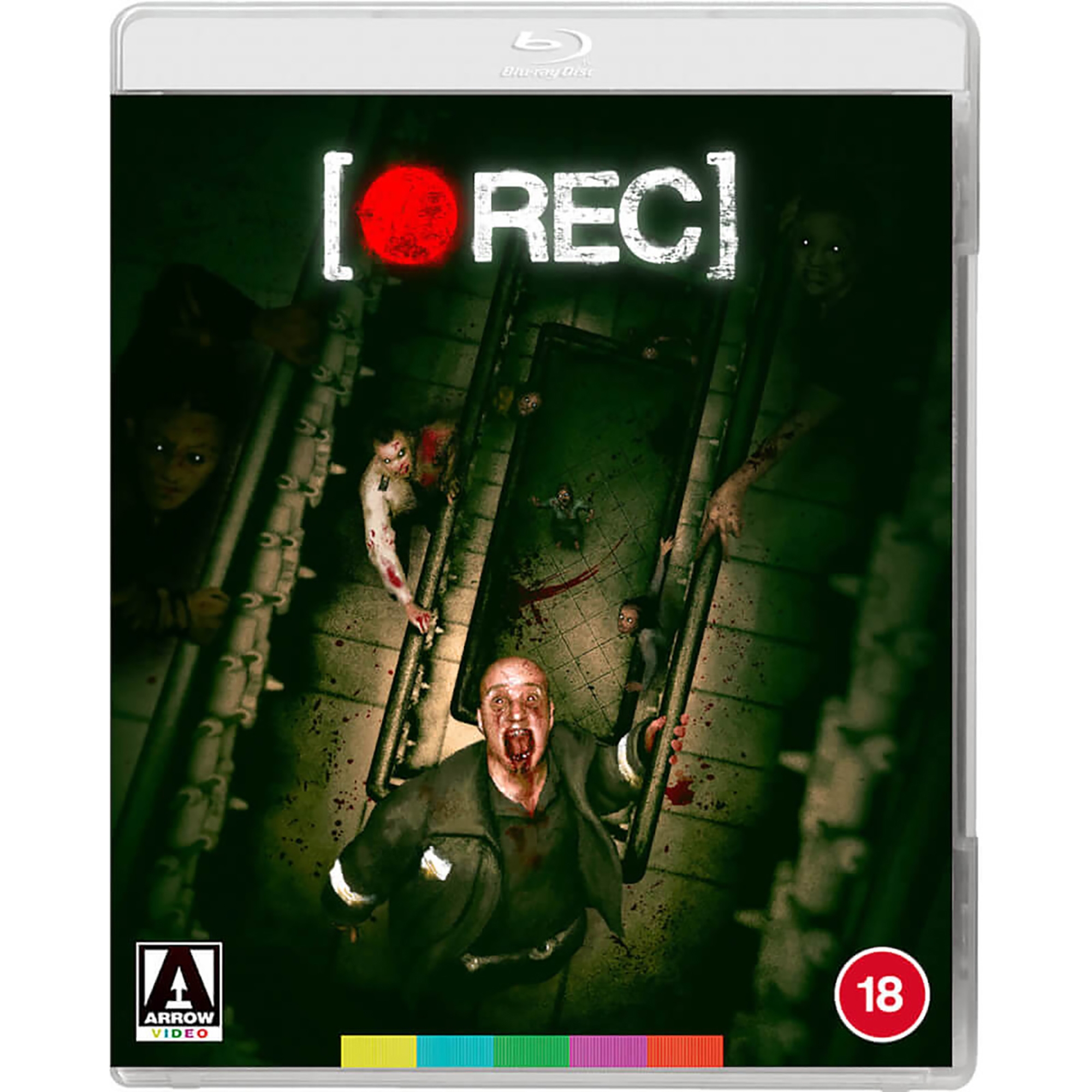
Found footage films gained popularity in the early 2000s, offering a raw and immersive experience that blurred the line between fiction and reality. At the same time, more extreme forms of horror emerged, focusing on physical and psychological endurance.
More recently, a wave of critically acclaimed films has redefined horror for modern audiences. Often described as “elevated horror,” these films combine traditional scares with deeper themes, exploring issues such as trauma, identity, and social tension. This shift has helped bring horror into mainstream critical discussion, proving its value beyond simple entertainment.
Franchises and long-running series continue to dominate the box office, while independent productions push creative boundaries. Global influences are stronger than ever, with filmmakers drawing inspiration from different cultures and storytelling traditions.
Ultimately, horror remains a reflection of society’s fears and anxieties. As the world changes, so too does the genre—ensuring that horror cinema continues to evolve, innovate, and captivate audiences for generations to come.